Once your dog has mastered the basics — sit, stay, come, down, and leave it — the real fun begins. Advanced training opens up a whole new world of communication between you and your dog, and it keeps their minds sharp and engaged. From impressive party tricks to practical complex commands, this guide will help you take your dog’s training to the next level.
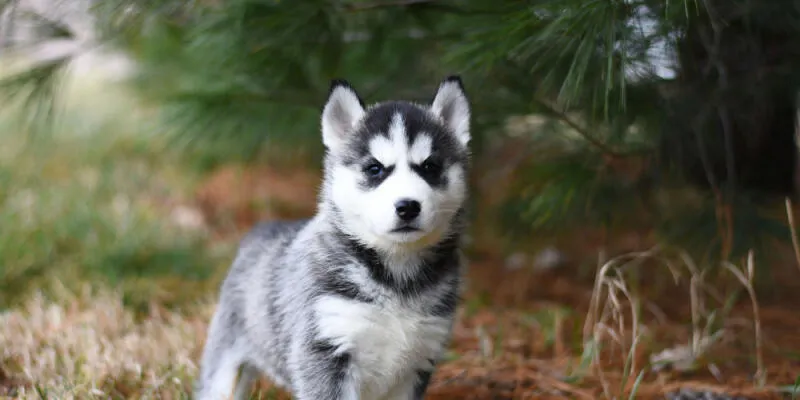
Advanced training challenges your dog mentally and deepens your bond.
Building on the Basics: The Shaping Technique
Advanced training often relies on a method called shaping — rewarding successive approximations of a desired behavior. Rather than waiting for a perfect behavior to appear, you reward small steps toward it. For example, to teach “roll over,” you might first reward your dog for lying down, then for tilting onto their side, then for completing the full roll. Each small success builds toward the final trick.
Shaping requires patience and excellent timing, but it’s incredibly effective for complex behaviors that can’t be easily lured or guided with treats alone. Combined with a clicker or a consistent verbal marker, shaping can teach almost any behavior imaginable.
Fun Tricks to Teach Your Dog
Here are some crowd-pleasing tricks to work toward once your dog is ready for advanced training:
- Roll Over – Start from a “down” position. Lure your dog onto their side with a treat, then continue the motion over to complete the roll. Reward enthusiastically!
- Play Dead – Ask your dog to lie down, then use a finger-gun gesture and say “bang!” as you guide them onto their side. With practice, the hand signal alone will trigger the behavior.
- Spin – Hold a treat near your dog’s nose and slowly move it in a circle. Once they follow the motion, add the verbal cue “spin.” This is one of the quickest tricks to teach!
- Fetch and Return – Teaching a reliable retrieve involves rewarding your dog for picking up an object, carrying it to you, and releasing it on cue. Break it into steps using shaping.
- Find It / Nose Work – Hide treats or a favorite toy and encourage your dog to search with their nose. This taps into their natural instincts and provides enormous mental enrichment.
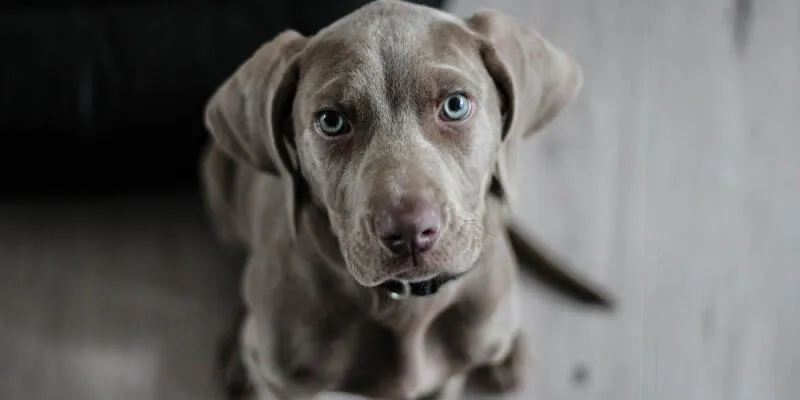
A focused, engaged dog is ready to learn even the most complex commands.
Chaining Behaviors Together
Once your dog knows several individual behaviors, you can chain them together into impressive sequences. For example, you might cue your dog to sit, then shake, then spin, then lie down — all in one fluid routine. The key is to reward only at the end of the chain, so your dog learns to complete the whole sequence before expecting their treat.
Behavior chains are also practical: you can teach your dog to fetch their leash before a walk, pick up dropped items, or close doors on command. The possibilities are limited only by your imagination and your dog’s enthusiasm.
Keeping Advanced Training Rewarding
As training becomes more complex, it’s even more important to keep sessions upbeat and positive. If your dog is struggling, break the behavior into smaller steps and go back to rewarding easier pieces. End every session on a high note — ask for a behavior your dog knows confidently, reward generously, and finish with playtime. A dog that loves training is a dog that will keep surprising you.