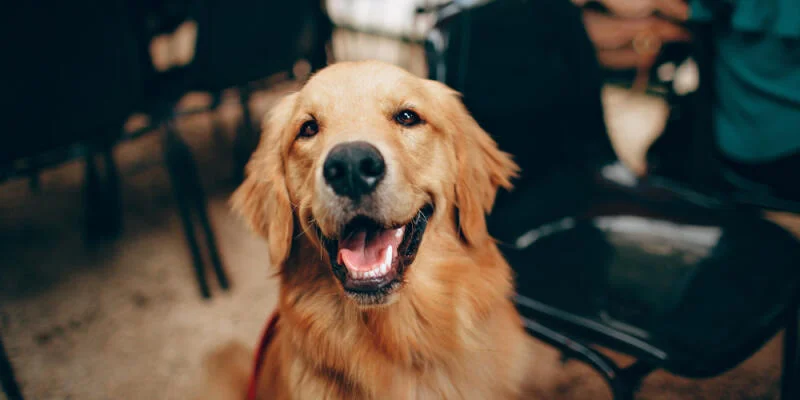
If there’s one thing that modern dog trainers agree on, it’s this: positive reinforcement works. Backed by decades of behavioral science, reward-based training is not only more effective than punishment-based methods — it’s also kinder, more fun for both dog and owner, and leads to a stronger, more trusting relationship. In this post, we’ll explore what positive reinforcement is, why it works, and how to use it every day.
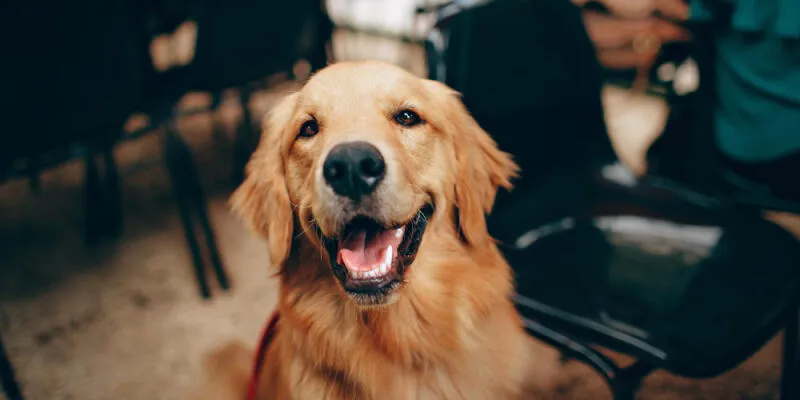
Rewarding good behavior with treats and praise is the foundation of positive reinforcement training.
What Is Positive Reinforcement?
Positive reinforcement means adding something pleasant immediately after a desired behavior to make that behavior more likely to happen again. In dog training, this typically means offering a treat, praise, or playtime the moment your dog does something right. The key is timing — rewards must be given within one to two seconds of the behavior, so your dog connects the action with the reward.
The opposite approach — punishing unwanted behaviors — can lead to stress, fear, and confusion. Dogs don’t always understand why they’re being punished, which can erode trust and make training a negative experience. Positive reinforcement, by contrast, makes training feel like a game your dog wants to play.
Types of Rewards That Work
Not all dogs are motivated by the same things. Understanding what your dog values most will supercharge your training sessions. Common reward types include:
- Food treats – Small, soft, high-value treats work best. Keep them pea-sized so your dog doesn’t fill up too quickly.
- Verbal praise – A warm, enthusiastic “Yes!” or “Good dog!” can be just as powerful as a treat, especially once the behavior is established.
- Toy rewards – For play-driven dogs, a quick game of tug or fetch can be an incredibly motivating reward.
- Petting and affection – Some dogs are highly motivated by physical affection. A good scratch behind the ears can go a long way.

Toys and play can be just as motivating as food treats for many dogs.
The Clicker Training Method
One of the most popular applications of positive reinforcement is clicker training. A clicker is a small handheld device that makes a distinct clicking sound. You “charge” the clicker by pairing the sound with a treat — so the dog learns the click means a reward is coming. Then you use the click to mark the exact moment your dog performs a desired behavior, followed immediately by a treat.
The clicker’s precision makes it especially useful for teaching complex behaviors and tricks. It removes ambiguity — your dog knows exactly what earned the reward. Many professional trainers swear by clickers, though even without one, the principles of marking and rewarding remain the same.
Fading the Treats Over Time
One concern many new trainers have is: “Will my dog only listen when I have food?” The answer is no — if you fade rewards gradually and strategically. Once a behavior is learned, start rewarding intermittently rather than every time. This actually strengthens the behavior, much like a slot machine keeps players engaged. Keep using verbal praise and affection even when treats disappear, so your dog remains enthusiastic and engaged for life.